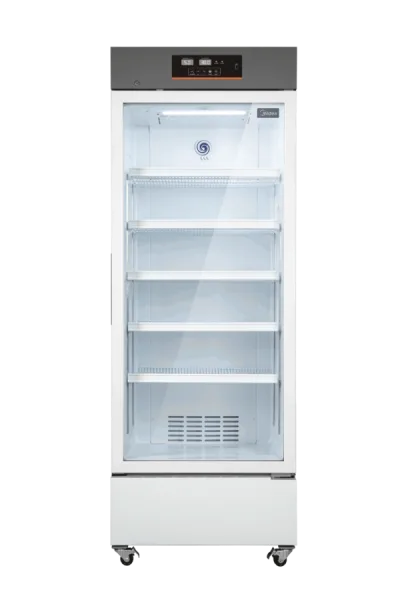
MIDEA Laboratory and Pharmaceutical Refrigerator 2°C - 8°C MC-5L316, 316 l
item number: 40195
With glass door and dual LED display, temperature and humidity
Price on request

Medication refrigerators ensure the controlled storage of temperature-sensitive medicines, vaccines, and blood bags at 2°C to 8°C. They are used in hospitals, pharmacies, medical practices, care facilities, and in pharmaceutical and diagnostic laboratories. The range includes units compliant with DIN 13277 for standard-compliant applications, as well as models without DIN certification, available in various sizes from 68 to over 1,400 litres with a choice of solid or glass doors.
item number: 40195
Price on request
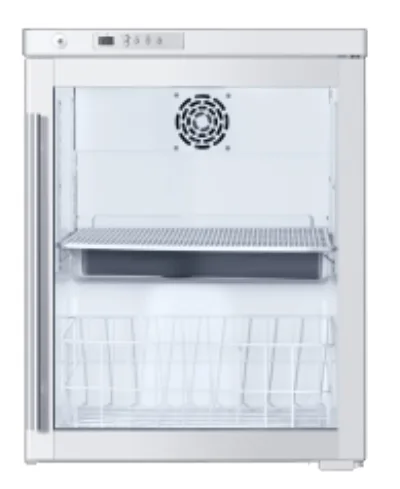
item number: 17944
List price € 969,00
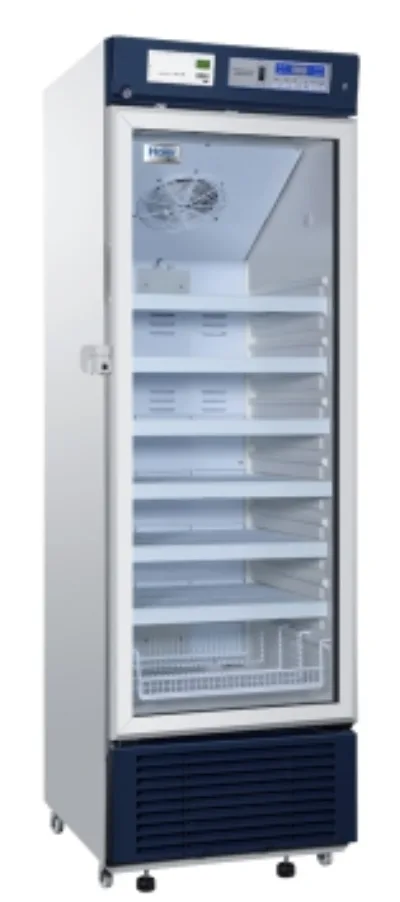
item number: 17946
€ 2.400,00
Promotional Price € 1.440,00
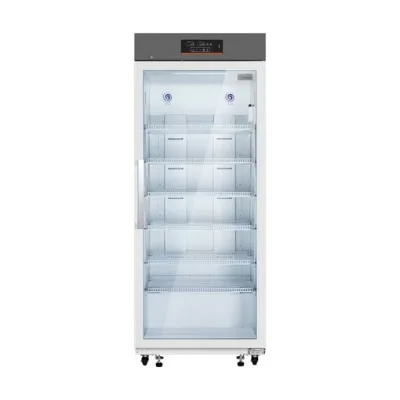
item number: 40287
List price € 3.300,00
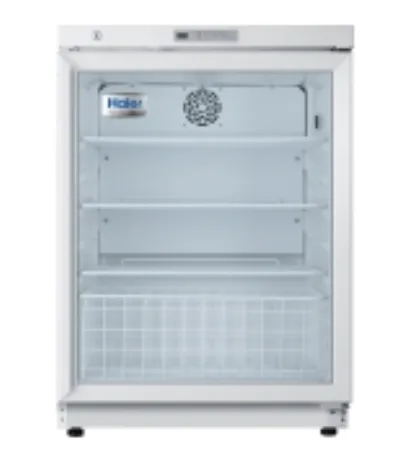
item number: 18192
€ 1.524,00
Promotional Price € 1.219,20
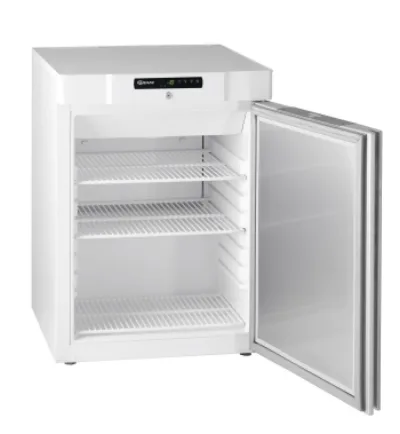
item number: 15612
List price € 2.390,00
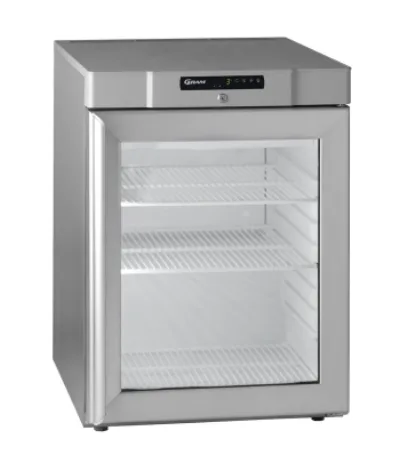
item number: 15611
List price € 2.600,00
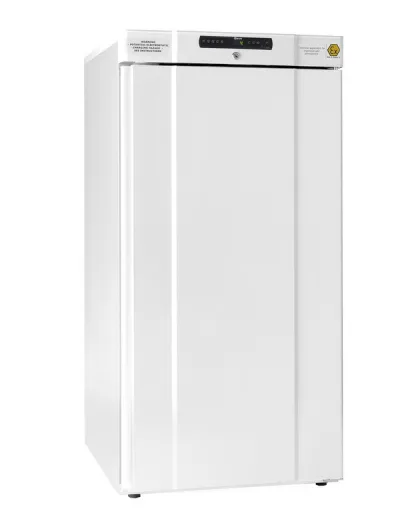
item number: 15614
List price € 2.555,00
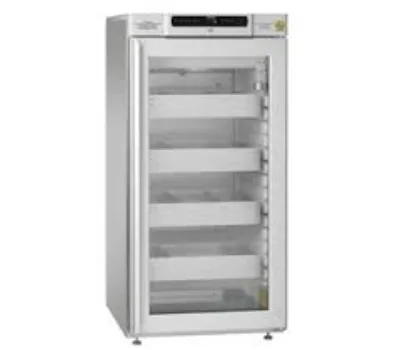
item number: 17107
List price € 2.765,00
item number: 15613
List price € 2.665,00
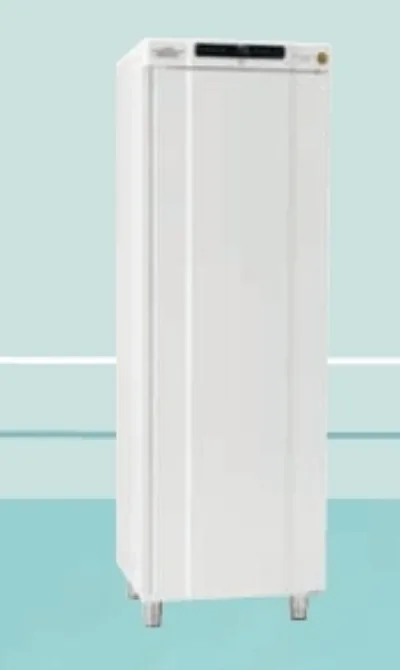
item number: 15616
List price € 2.720,00
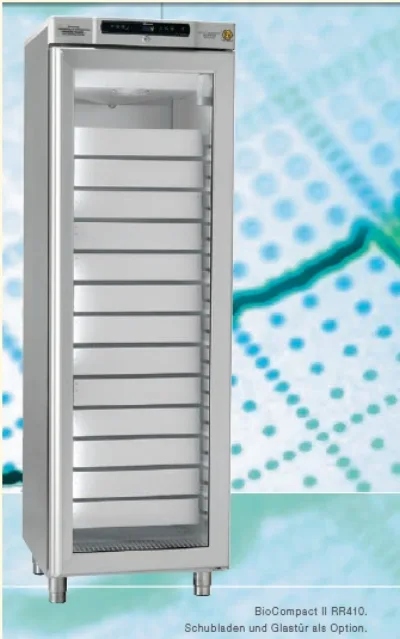
item number: 15615
List price € 2.930,00
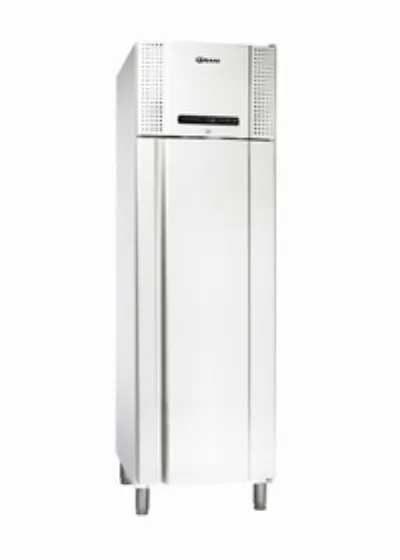
item number: 15602
List price € 5.925,00
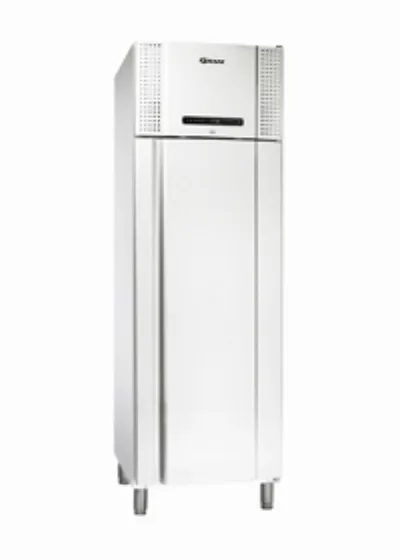
item number: 15603
List price € 6.215,00
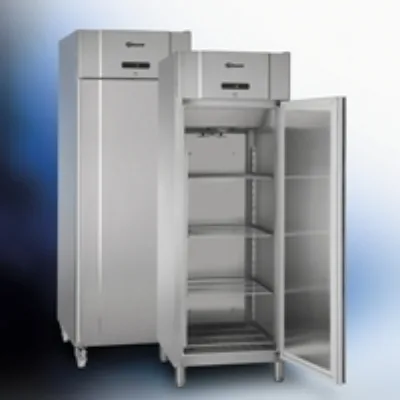
item number: 15617
List price € 3.540,00
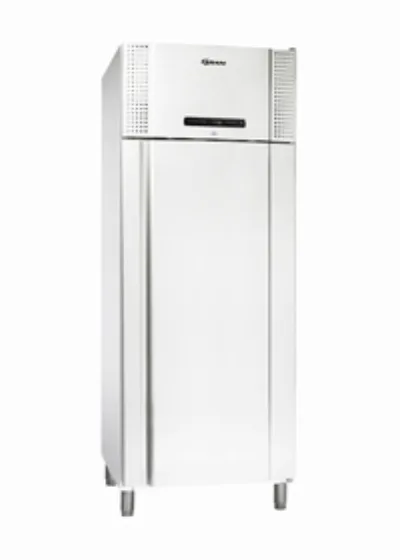
item number: 17595
List price € 6.075,00
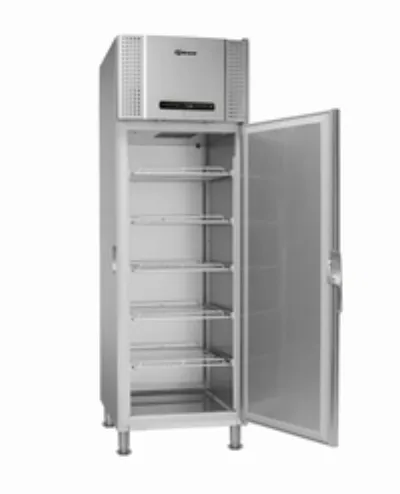
item number: 15608
List price € 6.225,00
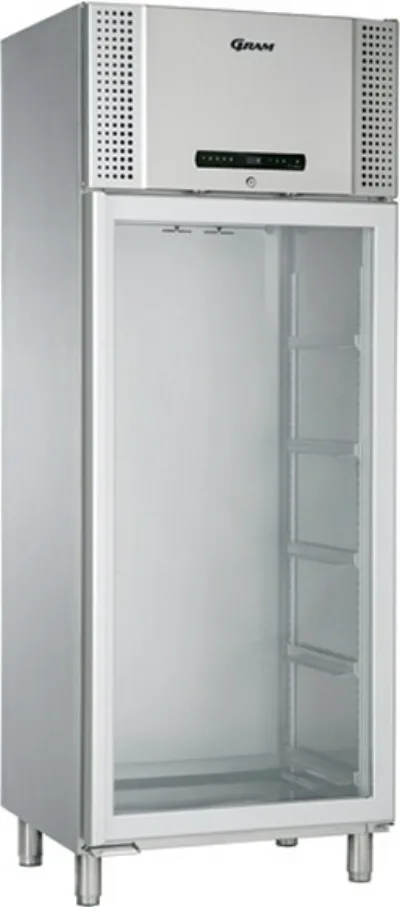
item number: 15609
List price € 6.515,00
item number: 15606
List price € 6.225,00
item number: 15607
List price € 6.515,00
item number: 32035
List price € 6.700,00
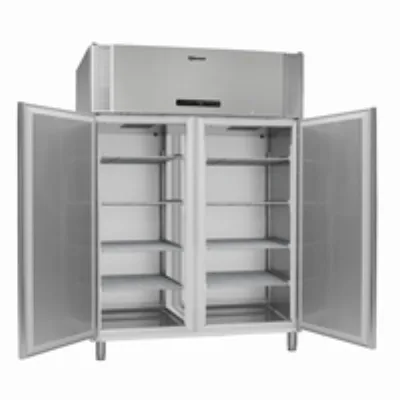
item number: 15598
List price € 8.200,00
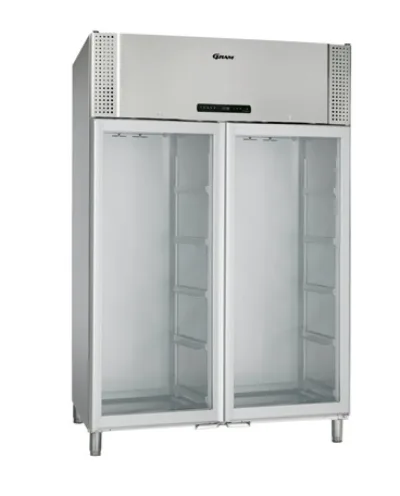
item number: 15599
List price € 8.780,00
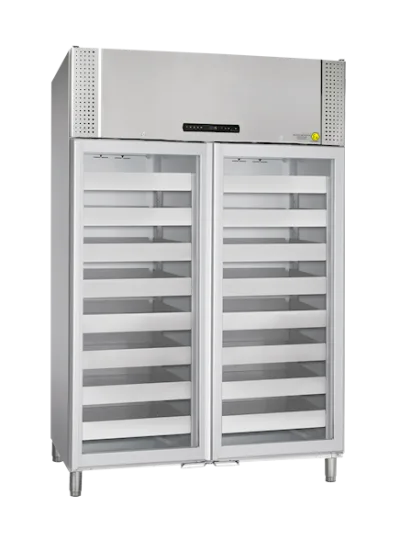
item number: 15600
List price € 8.400,00
item number: 15601
List price € 8.980,00
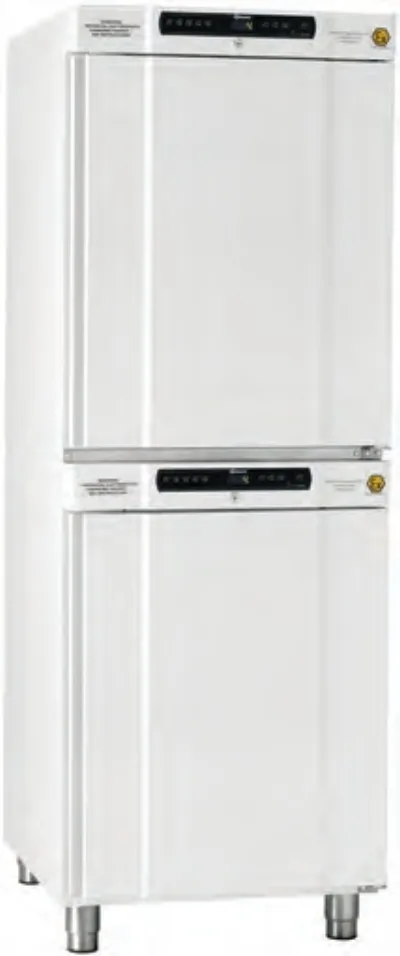
item number: 15610
List price € 4.860,00
Medication refrigerators are specifically designed for storing medicines, vaccines, blood products, and other temperature-sensitive medical preparations. The temperature range of 2°C to 8°C meets the requirements for most pharmaceutical refrigerated goods and is precisely maintained by forced-air cooling systems. The units prevent temperature fluctuations that could impair the efficacy or stability of the preparations and are therefore essential in pharmacies, clinics, medical practices, care facilities, and in pharmaceutical and diagnostic laboratories.
The DIN 13277 standard defines requirements for refrigerators used to store medicines and vaccines. It regulates aspects such as temperature stability, alarm functions, documentation, and structural features. The range includes medication refrigerators according to DIN 13277 from GRAM and HAIER in sizes from 68 to 500 litres. These units meet normative requirements and are suitable for applications involving certification, validation, or official documentation obligations. Versions with solid doors or glass doors are available, some of which are under-bench or on castors with brakes.
For applications without normative requirements, medication refrigerators without DIN offer an economical alternative. They also maintain the 2°C to 8°C temperature range and feature forced-air cooling systems, temperature displays, and sometimes humidity displays. The range includes models from HAIER and MIDEA in sizes from 68 to 606 litres. These units are suitable for medical practices, care facilities, or smaller pharmacies where DIN certification is not required, but reliable cooling remains necessary.
The range is divided into medication refrigerators up to 500 litres and from 500 litres, both with and without DIN 13277. Smaller models, such as the 68-litre under-bench unit from HAIER, are space-saving and suitable for under-bench installation. Medium sizes from 118 to 346 litres offer sufficient capacity for practices and wards. Larger units from 500 litres, such as the GRAM BioPLUS ER500 MED or MIDEA models up to 606 litres, cover the needs of large clinics, central pharmacies, or pharmaceutical warehouses. Additionally, DIN combinations are offered that combine multiple cooling zones or additional functions.
The units feature forced-air cooling systems that ensure uniform temperature distribution in the interior. LED displays show the temperature and sometimes humidity. Models according to DIN 13277 offer additional functions such as visual and audible alarms for temperature deviations, door contacts, or power failure. Many units are equipped with plastic-coated wire shelves, pull-out shelves, or wire baskets that allow for flexible interior configuration. Models with glass doors allow visual inspection without opening the door, thereby reducing temperature fluctuations.
Medication refrigerators are used in pharmacies for storing refrigerated medicines, in hospitals for vaccines, blood bags, and injection preparations, in medical practices for vaccination campaigns, and in care facilities for patient-related medication depots. In pharmaceutical laboratories and diagnostic facilities, they are used to store reagents, test kits, or biological samples that must remain stable within the 2°C to 8°C temperature range. In biotechnology and research, they are used for temperature-sensitive substances when lower temperatures are not required.
The selection is based on volume, normative requirements, design, and monitoring functions. For standard-compliant applications, a unit according to DIN 13277 is required. The volume is determined by the storage quantity and throughput. Under-bench units are suitable for confined spaces, while free-standing units on castors allow for flexible positioning. Models with glass doors facilitate inventory control, while solid doors offer better insulation. Additional criteria include alarm functions, documentation options, validatability, and energy efficiency. Manufacturers such as GRAM, HAIER, and MIDEA offer different equipment variants that can be tailored to specific requirements.
The following questions address typical requirements regarding the selection, operation, and standard compliance of medication refrigerators.
Medication refrigerators are used for the controlled storage of temperature-sensitive medicines, vaccines, blood bags, and biological preparations in the 2°C to 8°C temperature range. They are used in pharmacies, hospitals, medical practices, care facilities, pharmaceutical laboratories, diagnostic facilities, and research laboratories to ensure the efficacy and stability of refrigerated substances.
Smaller models with 68 to 125 litres are suitable for medical practices, small pharmacies, or care wards. Medium sizes from 200 to 400 litres cover the needs of larger practices, ward pharmacies, or outpatient facilities. Units from 500 litres are designed for central pharmacies, hospital warehouses, or pharmaceutical operations with high throughput. The choice depends on storage quantity, turnover frequency, and available space.
The DIN 13277 standard sets requirements for refrigerators for the storage of medicines and vaccines. It regulates temperature stability, alarm functions, documentation, and structural features. Units according to DIN 13277 are required for applications where official documentation obligations, validation, or certification are necessary, such as in hospital pharmacies, vaccination centres, or GMP-regulated areas.
Medication refrigerators according to DIN 13277 meet normative requirements for temperature stability, alarming, and documentation and are required for standard-compliant applications. Units without DIN certification also maintain the 2°C to 8°C temperature range but do not offer standard-compliant equipment or validation evidence. They are suitable for applications without official documentation obligations, such as in practices or care facilities without certification requirements.
Useful additions include external temperature loggers for continuous recording, alarm systems with remote notification in case of malfunctions, additional shelves or wire baskets to optimise storage capacity, and door locks for controlled access. Many functions are already integrated into DIN units. For units without DIN, external monitoring can increase documentation and safety.
Quotes and professional advice on medication refrigerators can be requested directly from the dealer. Information such as volume, normative requirements, design, door variant, installation site, and special requirements such as alarm functions or validation should be provided. Product-related advice helps in selecting the appropriate model and clarifies questions regarding certification, scope of delivery, and installation.
Medication refrigerators should be stabilised in operation for at least 24 hours before loading. For units according to DIN 13277, validation of temperature distribution and alarm functions is required to document standard-compliant use. This involves temperature measurements at several points over a defined period. Units without DIN should also be regularly monitored and maintained to ensure reliable storage conditions.
The former DIN 58345 was replaced by the new DIN 13277 on 01.05.2022 and expanded in content. The scope has been significantly increased: in addition to medication refrigerators, DIN 13277 now also covers blood bag refrigerators, plasma freezers, and laboratory refrigerators and freezers. In terms of content, it demands stricter requirements for temperature stability and alarm chains in the event of power failure, higher mechanical load capacity, and more flexible setting options for ambient parameters such as humidity and CO2 concentration. Existing units already certified according to DIN 58345 remain valid; new units are tested and labelled according to DIN 13277.