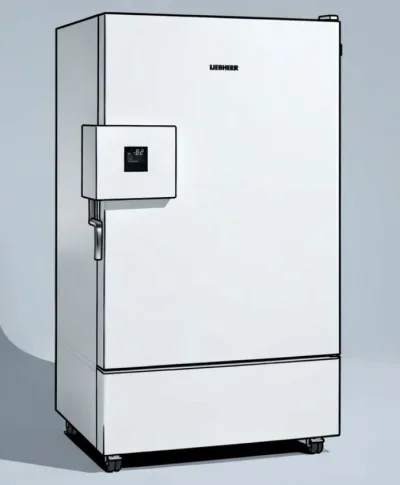
Liebherr -86°C Ultra-Low Temperature Freezer SUFsg 7001 MediLine, Used Equipment Year of Manufacture 2023
item number: 39418
736 l capacity, 480 box storage capacity, power consumption 8.1 kWh/day
€ 18.400,00
Promotional Price € 7.500,00

Ultra-low temperature freezers from -86°C to -150°C ensure the long-term storage of biological samples, cell lines and pharmaceutical active ingredients under controlled cryogenic temperatures. Axon Labortechnik stocks the complete range: -86°C ULT upright freezers in volumes from 7 to 960 litres, -86°C and -150°C ULT chest freezers, and suitable accessories for temperature monitoring and alarm forwarding.
item number: 39418
€ 18.400,00
Promotional Price € 7.500,00
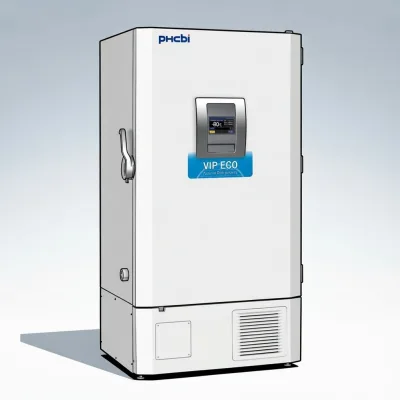
item number: 39416
€ 20.200,00
Promotional Price € 8.500,00
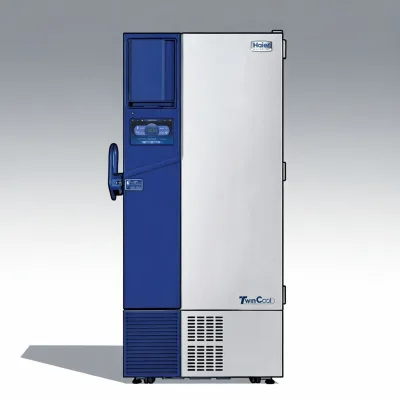
item number: 39413
€ 20.000,00
Promotional Price € 8.500,00
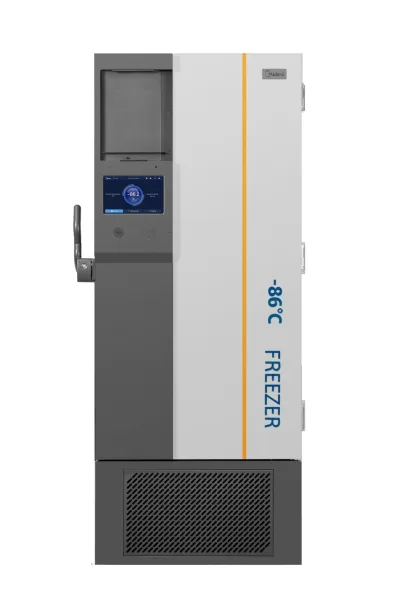
item number: 40923
€ 11.800,00
Promotional Price € 8.260,00
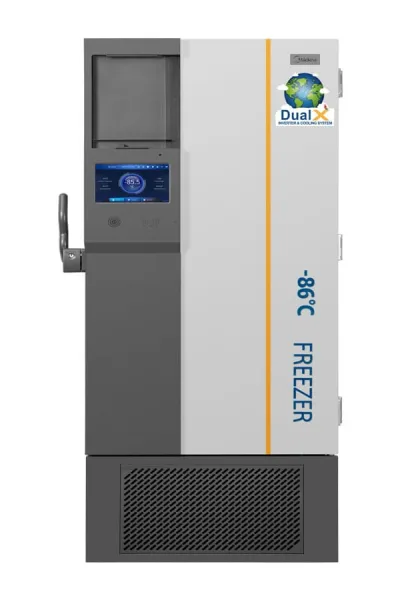
item number: 40906
€ 12.700,00
Promotional Price € 8.890,00
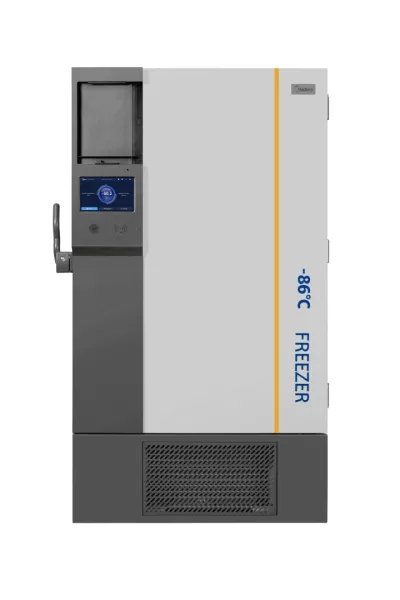
item number: 40925
€ 13.900,00
Promotional Price € 9.730,00
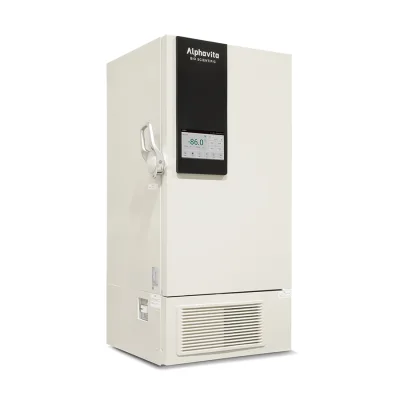
item number: 40186
List price € 13.200,00
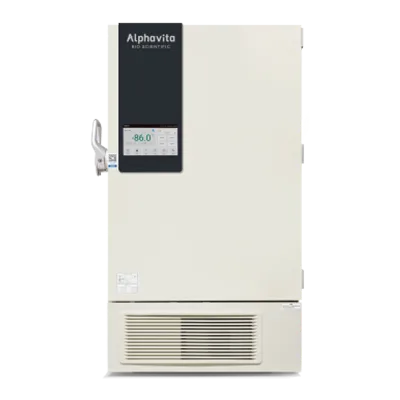
item number: 39987
List price € 14.400,00
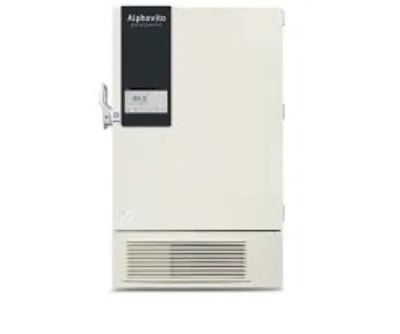
item number: 40005
List price € 15.600,00
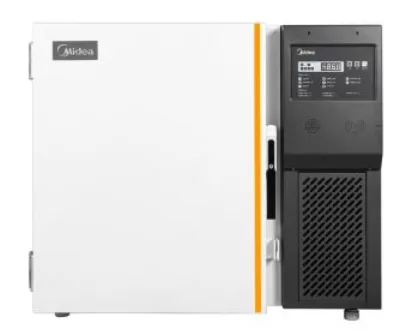
item number: 40139
List price € 6.800,00

item number: 40730
List price € 6.300,00
item number: 15266
List price € 5.850,00
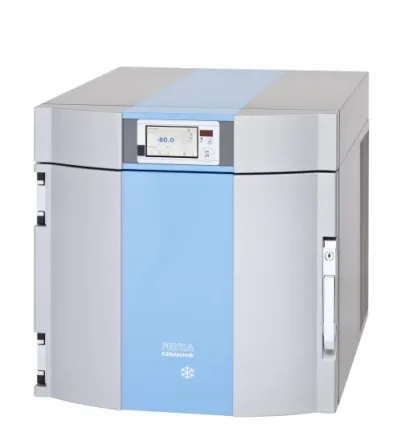
item number: 15267
List price € 6.750,00
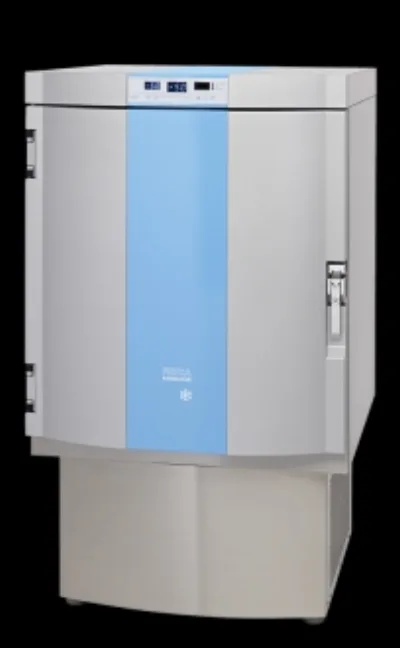
item number: 15280
List price € 8.950,00
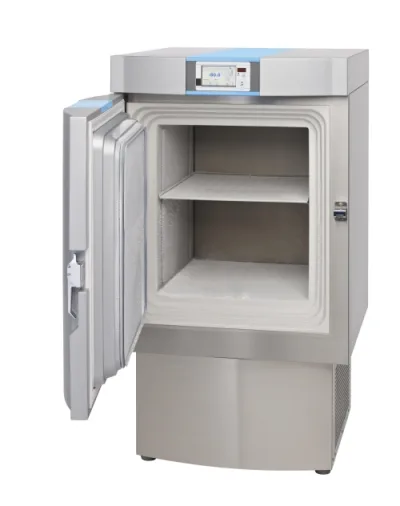
item number: 15281
List price € 9.690,00
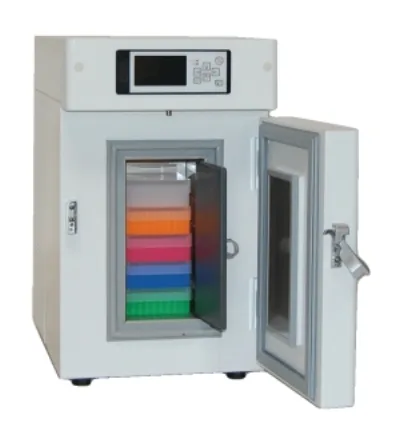
item number: 15214
List price € 6.945,00
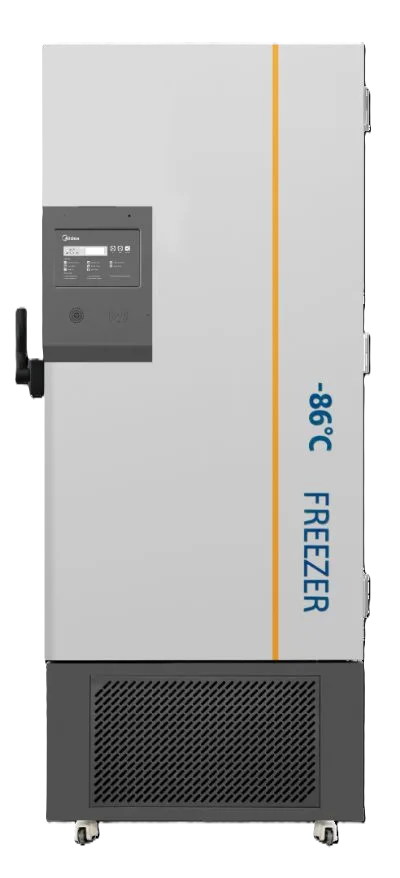
item number: 40155
List price € 7.700,00
item number: 41000
Price on request
item number: 41001
Price on request
item number: 15285
List price € 7.675,00
item number: 15286
List price € 8.490,00
item number: 39479
List price € 6.610,00
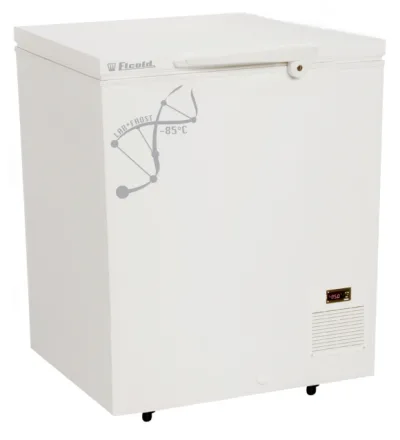
item number: 17582
List price € 6.745,00
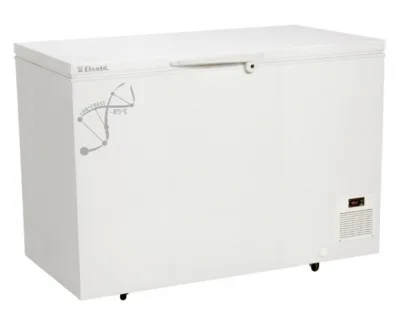
item number: 17583
List price € 7.790,00
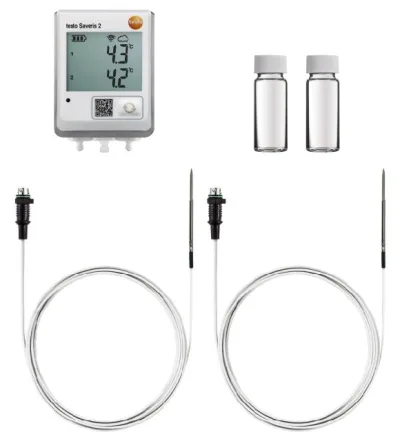
item number: 31705
List price € 631,40
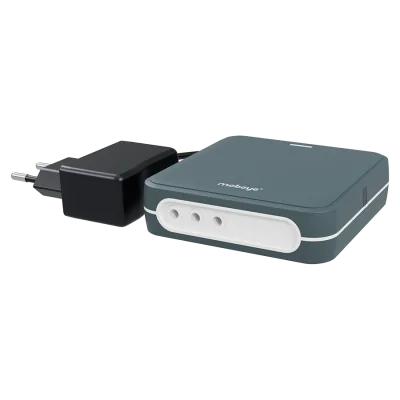
item number: 32150
List price € 271,00
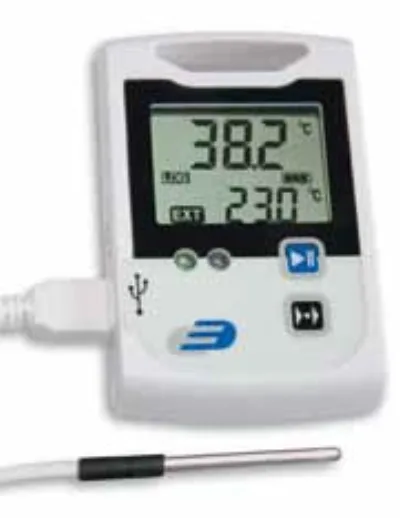
item number: 17856
List price € 295,00
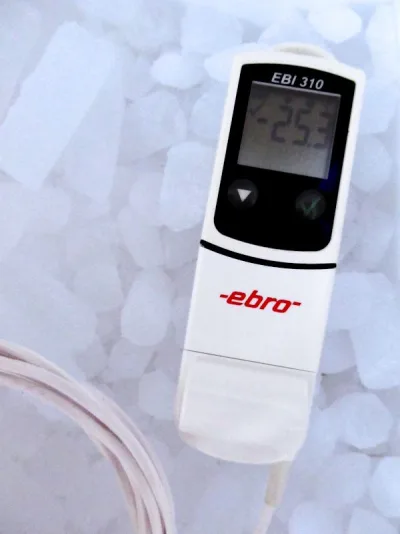
item number: 32087
Price on request
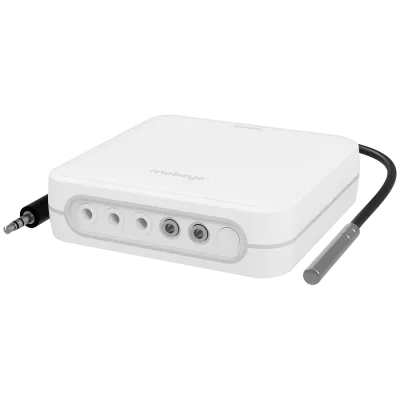
item number: 38801
List price € 450,00
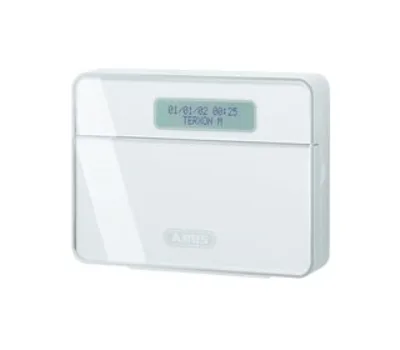
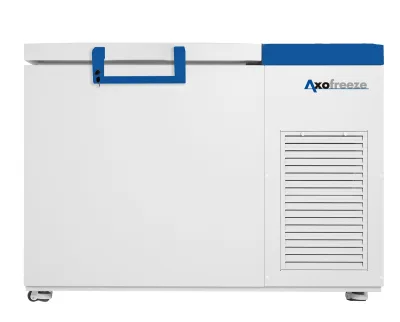
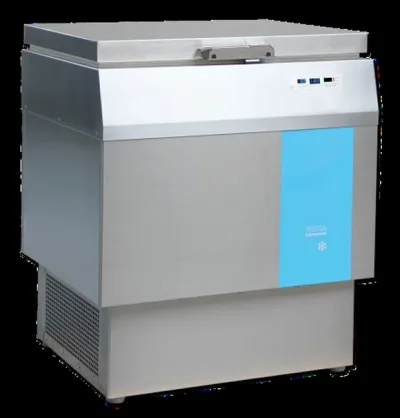
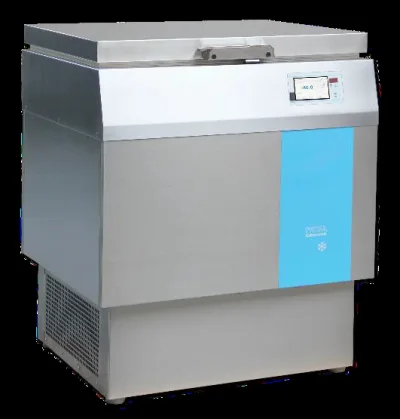
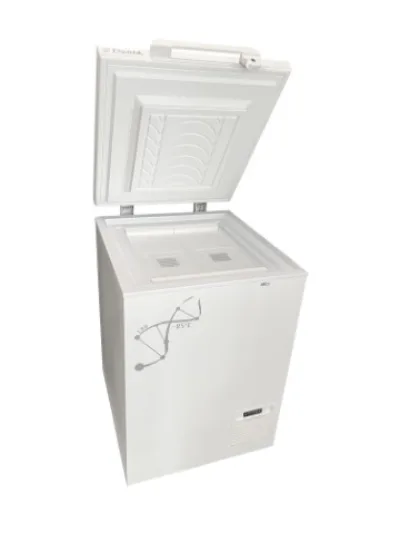
The range is divided into three main categories. -86°C ULT upright freezers are the most frequently used ULT devices in the laboratory: upright, with volumes from 7 to over 960 litres, in versions with conventional cascades, dual cooling systems or frequency-controlled compressors. ULT chest freezers offer a space-saving alternative for large sample volumes: -86°C chests are suitable for standard applications, while -150°C chests enable true cryopreservation without liquid nitrogen. Accessories such as WLAN data loggers and alarm forwarding systems complement the range for seamless temperature monitoring and GMP-compliant documentation.
All ULT devices operate using a two-stage cascade principle: the first compressor circuit pre-cools to approx. -40°C, allowing the second to reach -86°C. In practice, devices are operated at -75°C to -80°C to buffer temperature fluctuations when the door is opened. Further developments of the classic cascade include VIP insulation panels for reduced housing thickness, frequency-controlled compressors for demand-based energy use, and dual cooling systems with two independent compressor circuits — if one circuit fails, the second maintains the storage temperature permanently at -70°C to -80°C.
ULT devices are standard in molecular biology, pharmaceutical research, biotechnology and clinical diagnostics: storage of DNA, RNA and proteins, biobanking of cell lines and primary tissues, intermediate storage of vaccines and biopharmaceuticals, as well as CAR-T and cell therapy programmes. In GMP-regulated environments, devices are qualified (IQ/OQ/PQ); data loggers with alarm forwarding via WLAN, telephone or SMS ensure seamless temperature logging.
Ultra-low temperature freezers cover the temperature range in which biological and chemical processes largely come to a standstill. The decisive threshold is -70°C: below this, tissue samples, microorganisms, stock collections, enzymes, DNA and RNA can be stored stably for years. At temperatures below -130°C, water assumes a glass-like structure and all chemical processes stop completely — this state of cryopreservation is achieved with -150°C chest freezers.
We have compiled the most important questions about the selection, technology and use of ultra-low temperature chest freezers — from choosing between a chest freezer and an upright freezer to the differences between storage at -86°C and cryogenic storage at -150°C.
Upright ultra-low temperature freezers provide targeted access to stored samples through compartments, racks and inner doors. Ultra-low temperature chest freezers are opened from above and are particularly suitable for storing large quantities of samples. Axon Labortechnik supplies upright freezers down to -86°C as well as chest freezers down to -86°C and -150°C.
Below -70°C, biological and chemical degradation processes are significantly slowed. This enables the long-term storage of tissue samples, microorganisms, cell lines, enzymes, DNA and RNA. In practice, many ultra-low temperature freezers are operated between -75°C and -80°C to provide a safety margin for temperature fluctuations when the door is opened.
-150°C ultra-low temperature chest freezers are intended for applications requiring storage temperatures below -130°C. They enable the cryogenic preservation of sensitive biological samples without the use of liquid nitrogen. Whether storage at -86°C is sufficient or -150°C is required depends on the sample material and the requirements of the respective application.
Axon Labortechnik’s range extends from compact ultra-low temperature freezers with a volume of 7 litres to large-capacity units with more than 950 litres. Depending on the model, they can accommodate anything from a small number of cryoboxes to several hundred boxes containing tens of thousands of samples. In addition to the required capacity, the available floor space, access frequency and future storage requirements should be considered when selecting a unit.
Energy consumption depends on the unit’s volume, the selected temperature, its insulation and the cooling technology used. Compact models with variable-speed compressors may consume less than 4 kWh per day, while larger units have correspondingly higher consumption values. Axon Labortechnik provides the energy consumption in the technical specifications of each model.
A dual cooling system has two independently operating compressor circuits. If one circuit fails, the second circuit can maintain the internal temperature at approximately -70°C to -80°C, depending on the model. This provides additional time to respond to a malfunction and protect the stored samples.
Internal or external data loggers and remote alarm systems are available for continuous monitoring. Depending on the system, temperature deviations and equipment faults can be reported by email, text message or telephone call. Axon Labortechnik supplies suitable data loggers, temperature probes and alarm systems for this purpose.