Laboratory Equipment and Laboratory Solutions for Research, Diagnostics and Industry
Axon Labortechnik supports laboratories, research institutions, hospitals, universities, and companies in the pharmaceutical, biotechnology, and industrial sectors in selecting professional laboratory equipment. The product range includes solutions for sample storage, cell culture, sample preparation, temperature control, sterilisation, liquid handling, and numerous other laboratory applications. Both individual instruments and complete equipment solutions are available for a wide range of laboratory environments.
Modern laboratories must meet requirements ranging from precise temperature conditions and reproducible workflows to the secure storage of sensitive samples. The available portfolio therefore covers a wide variety of equipment categories for research, quality control, diagnostics, and production environments. Depending on the application, laboratory equipment can be selected according to temperature range, capacity, design, level of automation, and regulatory requirements.
Sample integrity, process reliability, documentation, and long-term operating costs are becoming increasingly important, particularly in the life sciences, biotechnology, pharmaceutical, and medical sectors. Selecting suitable laboratory equipment influences not only daily laboratory operations but also the quality and reproducibility of scientific results.
Efficient Laboratory Planning and Long-Term Investment Protection
Laboratory equipment should not be selected solely on the basis of technical specifications. Energy efficiency, durability, and the available space in the laboratory are also important for sustainable operation. Services such as maintenance and qualification also play an essential role in preserving the long-term value of the equipment.
Application-specific planning helps ensure that investments remain economically viable over the long term and that laboratory workflows are organised efficiently. Axon Labortechnik assists customers in selecting appropriate systems for a wide variety of laboratory environments and applications.
Laboratory Equipment for a Wide Range of Applications
Laboratories have widely varying technical requirements depending on their specialist field. Cell culture applications require controlled environmental conditions, while sample storage depends on stable temperatures and reliable monitoring. Precision, reproducibility, and efficient workflows are particularly important in analytical and diagnostic applications.
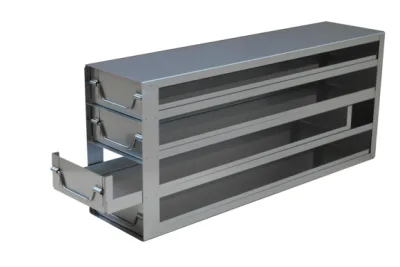
- Ultra-low temperature freezers and laboratory freezers for sample storage
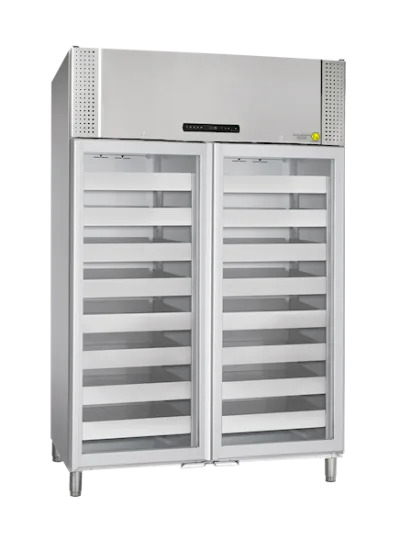
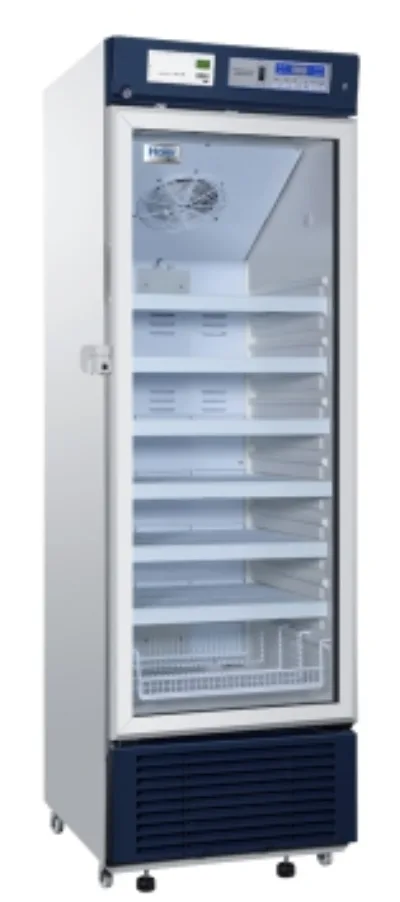
- Laboratory refrigerators for temperature-sensitive materials
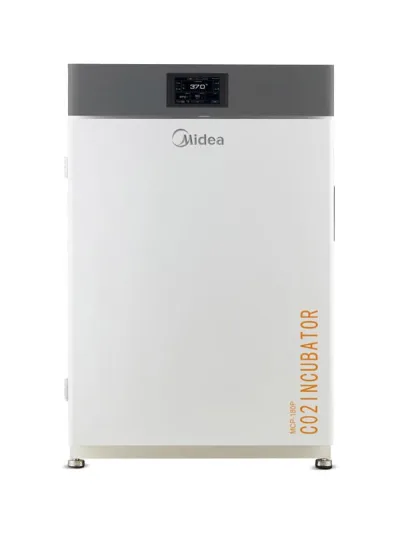
- CO₂ incubators and cell culture equipment
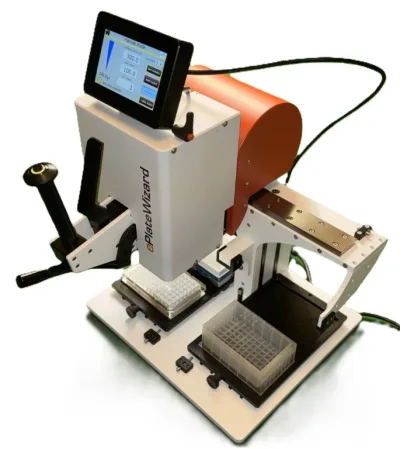
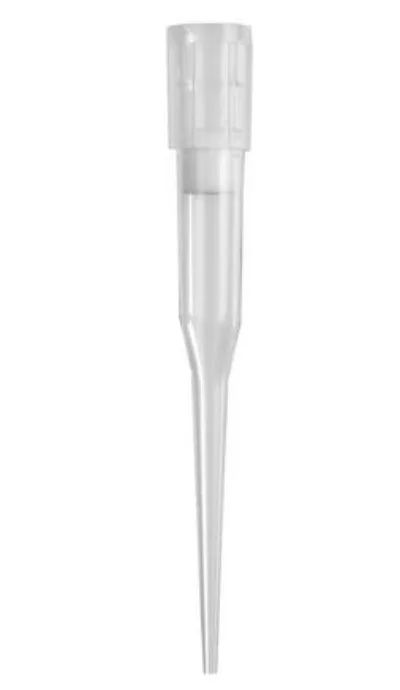
- Liquid handling systems and pipetting equipment
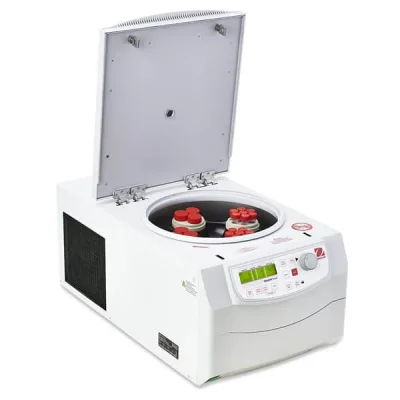
- Centrifuges for sample preparation and analysis
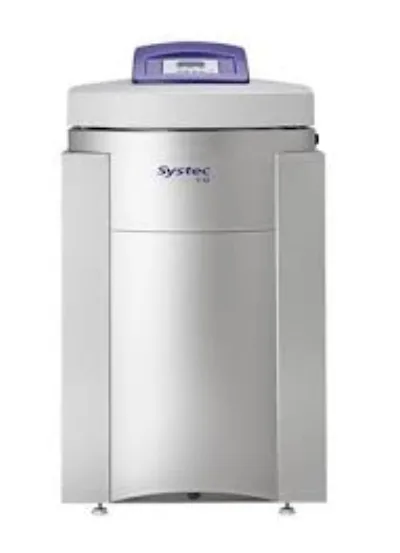
- Autoclaves for sterilisation processes
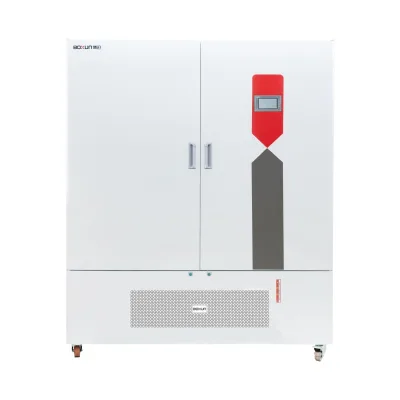
- Climate and environmental simulation equipment
- Laboratory equipment for research, development, and quality control
Quality, Safety and Regulatory Requirements in the Laboratory
In many laboratory environments, equipment must satisfy not only functional requirements but also applicable regulatory standards. Depending on the intended use, temperature documentation, validation, GMP-related processes, traceability, and quality management systems may be relevant. Selecting suitable laboratory equipment helps ensure that defined processes can be carried out safely and transparently.
By combining technical equipment, professional advice, and a broad product portfolio, Axon Labortechnik provides solutions for a wide range of requirements in research, diagnostics, industry, and the life sciences.
Frequently Asked Questions About Laboratory Devices and Equipment
Answers to frequently asked questions regarding the selection and operation of laboratory equipment.
Which types of laboratory equipment are most commonly used in modern laboratories?
Commonly used equipment includes laboratory refrigerators, freezers, ultra-low temperature freezers, incubators, centrifuges, pipetting systems, autoclaves, and climate and environmental simulation equipment. The equipment required depends on the specific application.
What should be considered when selecting laboratory equipment?
Important criteria include the intended application, capacity, temperature requirements, available installation space, documentation requirements, ease of use, maintenance needs, and potential future expansions.
When is an ultra-low temperature freezer the right choice?
Ultra-low temperature freezers are typically used when sensitive samples must be stored at very low temperatures for extended periods. The specific requirements depend on the samples and processes involved.
Why is temperature stability important in laboratory equipment?
Stable temperature control can be essential for the quality and reproducibility of laboratory processes. This is particularly important for sample storage and for applications in research, diagnostics, and cell culture.
Why are CO₂ incubators important for cell culture?
CO₂ incubators provide controlled environmental conditions for temperature and atmosphere. This makes it possible to create suitable conditions for a wide range of cell culture applications. Overview of CO2 incubators
What are the advantages of automated liquid handling systems?
Automated systems can reduce manual processing steps, improve reproducibility, and make workflows more efficient when handling large numbers of samples. Liquid handling systems
When does laboratory equipment need to be validated?
The importance of validation depends on the application and on the laboratory's organisational or regulatory requirements. Process traceability is particularly important in quality-critical environments.
What is the significance of GMP requirements in laboratory environments?
GMP requirements support standardised and traceable processes. Whether they apply, and to what extent, depends on the intended application and the relevant regulations.
How can energy efficiency be considered when selecting laboratory equipment?
In addition to technical requirements, factors such as electricity consumption, expected service life, and long-term operating costs can be considered when selecting equipment.
How can suitable laboratory equipment be selected for a new project?
The starting point is to define the planned applications, required processes, and spatial and organisational conditions. Suitable equipment categories and laboratory solutions can then be selected on this basis.
How does the enquiry and ordering process work at Axon Labortechnik?
Purchases are handled through individual enquiries rather than a conventional online shop. Once the appropriate equipment has been selected, Axon Labortechnik prepares a quotation and provides advice on the technical configuration, including capacity, features, and accessories.
Does Axon Labortechnik deliver throughout Germany, and how long does delivery take?
Axon Labortechnik supplies customers throughout Germany. Delivery times depend on equipment availability and configuration. Items held in stock are generally available at short notice, while customised equipment may require additional time.
Does Axon Labortechnik offer inspected used laboratory equipment with a warranty?
In addition to new equipment, Axon Labortechnik regularly offers professionally inspected used laboratory equipment. Each unit is function-tested before sale and supplied with a warranty. Availability and conditions are provided on request.
What is AxoFreeze, and what are these ultra-low temperature freezers used for?
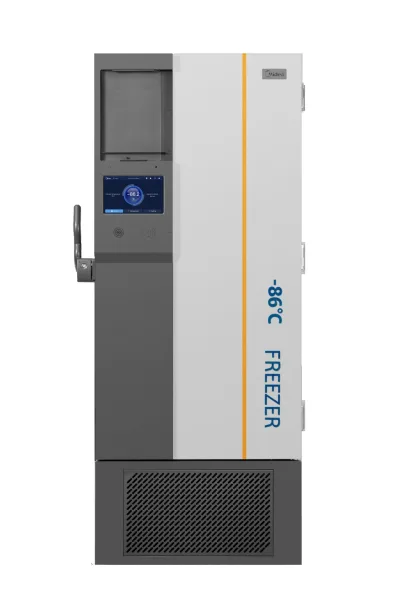
AxoFreeze is Axon Labortechnik's own brand of ultra-low temperature freezers for temperatures ranging from -86°C to -150°C. They are used for the secure long-term storage of sensitive biological samples in research, biobanking, and diagnostics. Ultra-low temperature freezers from -86°C to -150°C
What is the difference between medicine refrigerators complying with DIN 13277 and units without DIN certification?
Medicine refrigerators complying with DIN 13277 meet defined requirements for temperature stability, alarm systems, and continuous documentation when storing medicinal products, for example in pharmacies and hospitals. Units without DIN certification are suitable for less strictly regulated applications. The appropriate choice depends on the regulatory requirements of the intended application. Medicine refrigerators and blood bank refrigerators
Which sectors and institutions can benefit from Axon laboratory equipment?
The product range serves a variety of customers. Hospitals and blood banks often require DIN-compliant medicine and blood bank refrigerators. Research institutes and universities frequently use CO2 incubators and ultra-low temperature freezers for cell culture, while industrial and quality-control laboratories often rely on centrifuges and autoclaves for sample preparation and sterilisation. Overview of laboratory centrifuges
What should be considered when selecting a biological safety cabinet?
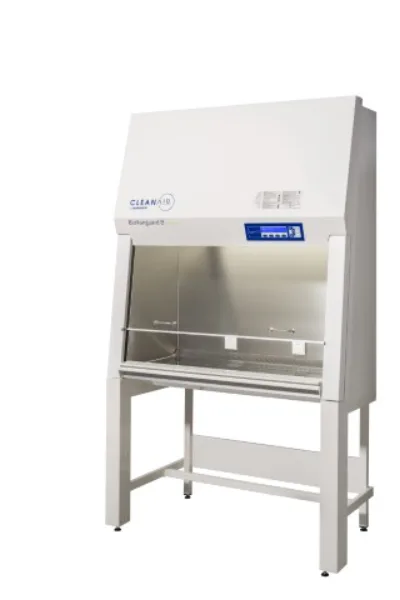
The protection class is a key consideration when selecting a biological safety cabinet. Class I primarily protects the operator, while Class II additionally protects the product from contamination and is therefore widely used in cell culture. Other selection criteria include airflow, filter class, and workspace dimensions. Biological safety cabinets
Why are alarm and monitoring systems important for ultra-low temperature freezers?
When valuable or irreplaceable samples are stored in ultra-low temperature freezers, temperature monitoring, audible and visual alarms, and ideally remote monitoring are important. These systems help detect temperature deviations at an early stage and prevent sample loss. Ultra-low temperature freezers from -86°C to -150°C
Why does the website now refer to DIN 13277 instead of DIN 58345?
The former DIN 58345 standard was replaced by DIN 13277 on 1 May 2022, with its content and scope significantly expanded. While DIN 58345 primarily covered medicine refrigerators, DIN 13277 also applies to blood bank refrigerators, plasma freezers, laboratory refrigerators and freezers, and cryogenic freezers. It introduces stricter requirements for temperature stability, alarm systems and escalation chains in the event of a power failure, mechanical load capacity, and the adjustment of environmental parameters such as humidity and CO2 concentration. Existing equipment certified to DIN 58345 remains valid, while new equipment is tested and certified in accordance with DIN 13277. Laboratory refrigerators and laboratory freezers