Specifications and standards for medication storage
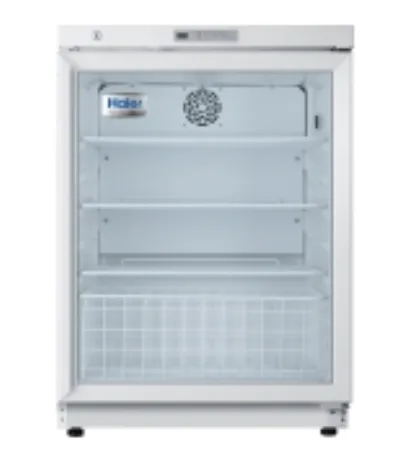
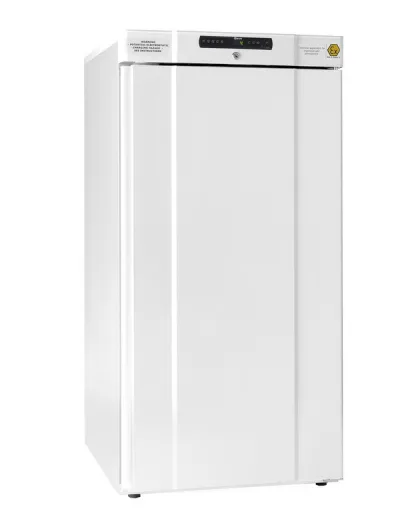
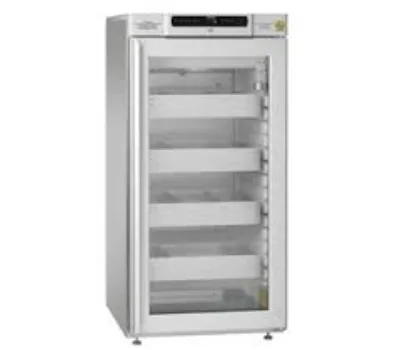
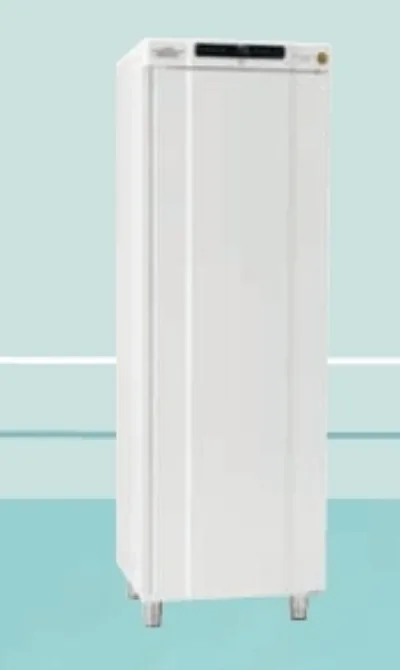
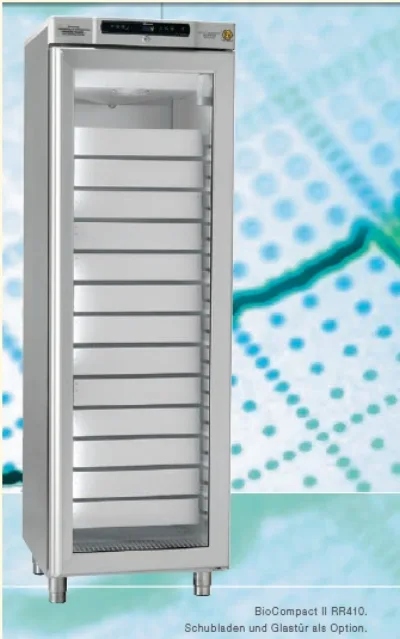
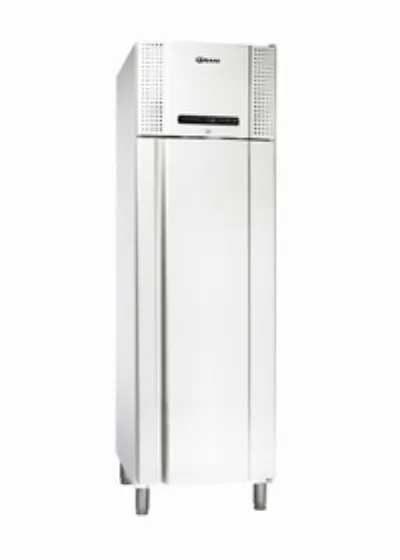
A medication refrigerator according to DIN 13277 must meet specific technical requirements to be approved for the storage of pharmaceuticals. These include visual and audible warning devices for temperature deviations, a safety thermostat to prevent freezing temperatures, and a power failure alarm. Units such as the GRAM BioCompact II or BioPLUS series, as well as models from HAIER, are specifically designed to meet these safety aspects.
Overview of designs and capacities
The selection of the appropriate unit depends primarily on the required storage volume and the available space in the laboratory or pharmacy. The range is divided into:
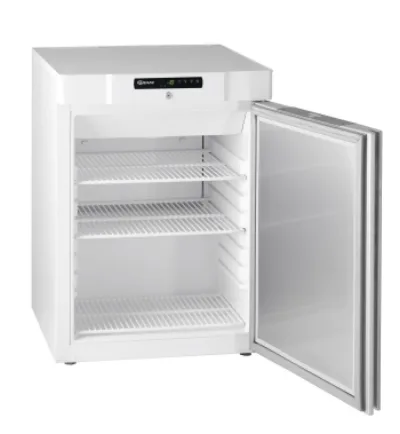
- Medication refrigerators DIN up to 500 litres: These units are ideal for smaller wards or as under-bench solutions, such as the BioCompact II RR 210.
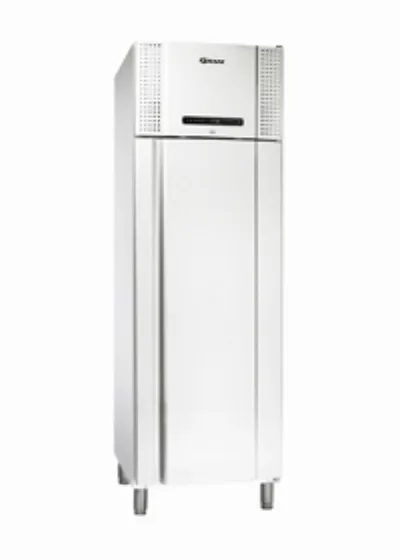
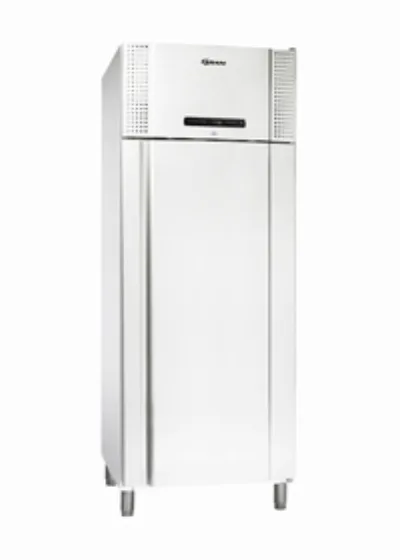
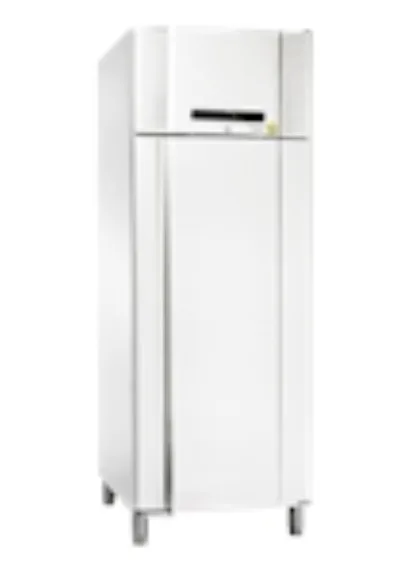
- Medication refrigerators DIN from 500 litres: Large units such as the BioPLUS ER 660W offer maximum capacity for central storage areas.
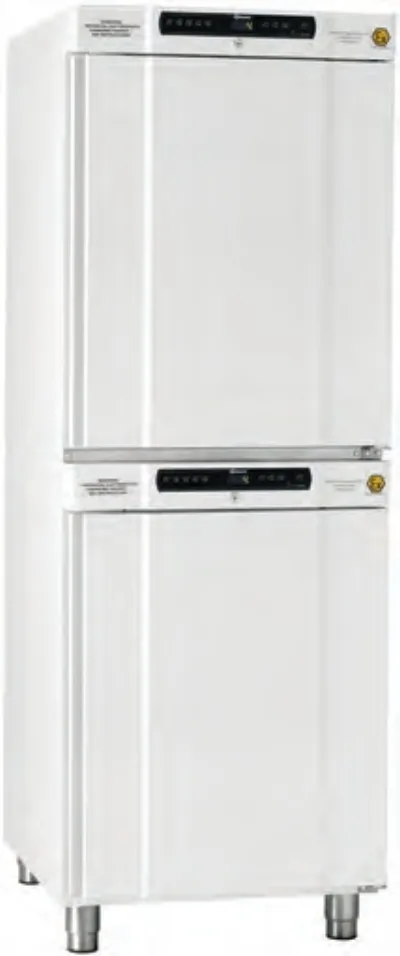
- Combinations: Specialised solutions for differentiated storage requirements.
Technical equipment for maximum safety
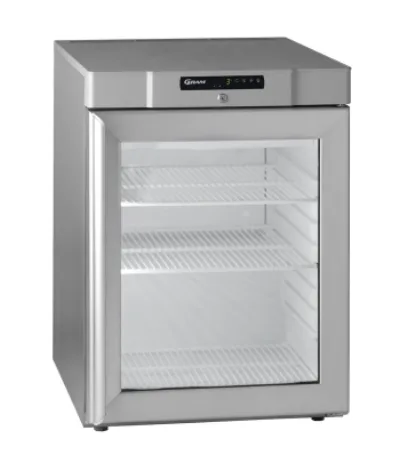
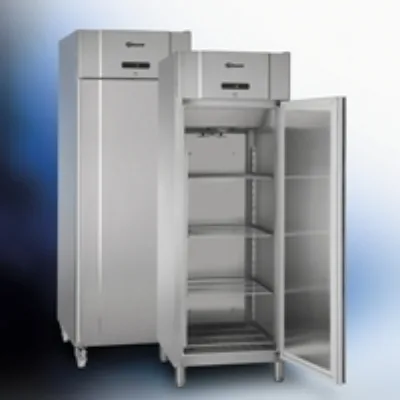
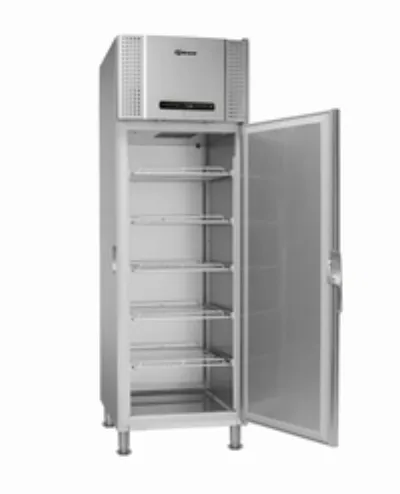
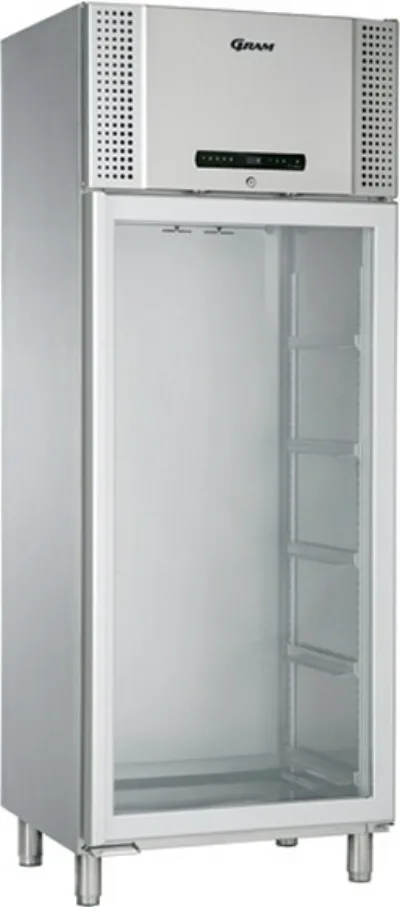
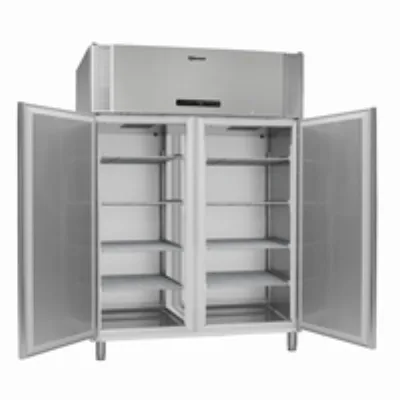
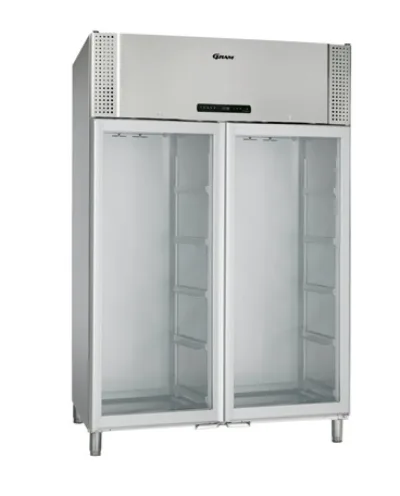
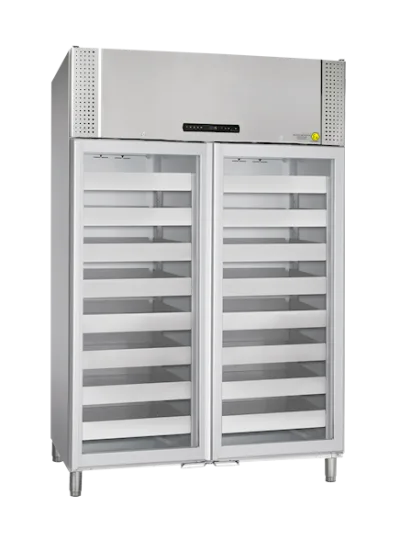
To ensure homogeneous temperature distribution in the interior, the units are equipped with forced-air cooling. Depending on the model, high-quality materials such as stainless steel are used in the interior. Specialist customers can also choose between versions with a glass door for quick inventory checks or closed solid doors. Additional flexibility is provided by features such as wire shelves, wire baskets, or variable interior fittings on castors for mobile use.
Frequently asked questions about medication refrigerators DIN 13277
Here you will find answers to important questions regarding the selection and operation of medication refrigerators according to current standards.
What is a medication refrigerator according to DIN 13277 used for?
This device class is used for the safe storage of medications and vaccines that require a constant temperature between +2 °C and +8 °C. They are used wherever the maintenance of the cold chain must be documented and guaranteed by technical safety systems, such as in pharmacies, medical practices, and hospitals.
Which size is right for my requirements?
The choice depends on the quantity of goods to be cooled. Compact table-top or under-bench units with approx. 68 to 125 litres are common for decentralised use on wards. Large freestanding units with over 500 or 600 litres of volume are used for central storage in hospital pharmacies or pharmaceutical warehouses.
What are the most important requirements of DIN 13277?
The standard specifies, among other things, an operating temperature range of +2 °C to +8 °C, an alarm function in the event of a power failure or temperature deviation, a safety thermostat to prevent freezing, and mechanical load-bearing capacity of the shelves. In addition, the unit must be lockable to prevent unauthorised access.
What is the difference between models with glass and solid doors?
Models with a glass door allow for visual inspection of the stock without having to open the door, which supports temperature stability. Solid doors, on the other hand, often offer better insulation and protect light-sensitive medications from direct light exposure.
Which accessories are useful for monitoring?
Useful accessories include additional wire shelves or baskets for organisation, as well as external temperature sensors or data loggers if digital documentation beyond the device's internal alarm systems is required.
How can I receive advice or a quote?
You can request an individual quote for any model, whether from GRAM or HAIER, directly via the product page. Expert advice on the specifications and suitability for your area of application is available from our laboratory technology experts.
What should be considered when setting up the units?
For under-bench models, ensure sufficient ventilation unless the unit is explicitly designed for flush-mounting. Freestanding units with castors should be securely fixed at the place of use to ensure stable handling.
Why is DIN 13277 mentioned here instead of DIN 58345?
The former DIN 58345 was replaced by the new DIN 13277 on 01.05.2022 and expanded in content. The scope has been significantly increased: in addition to medication refrigerators, DIN 13277 now also covers blood bank refrigerators, plasma freezers, and laboratory refrigerators and freezers. In terms of content, it requires stricter standards for temperature stability and alarm chains in the event of power failure, higher mechanical load-bearing capacity, and more flexible setting options for environmental parameters such as humidity and CO2 concentration. Existing units already certified according to DIN 58345 remain valid; new units are tested and labelled according to DIN 13277.