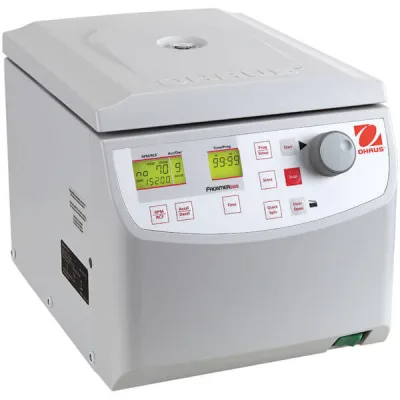
Frontier™ 5000 Micro FC5515 Uncooled, with 24 x 1.5/2.0 ml BIOSEALS Rotor
item number: 39593
max. 15,200 rpm / 21,953 x g
List price € 2.735,00

Microliter centrifuges, non-refrigerated are laboratory devices for centrifuging small sample volumes without an active cooling function. They are used in laboratories where samples can be processed at ambient temperature. This category provides an overview of various non-refrigerated microliter centrifuges for different laboratory applications.
item number: 39593
List price € 2.735,00
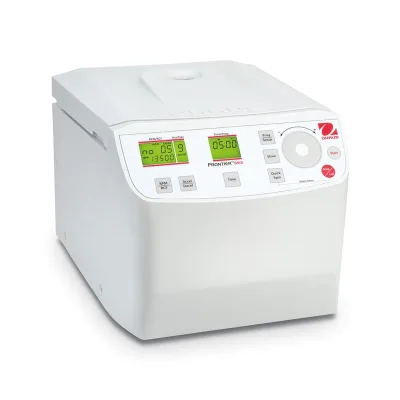
item number: 39592
List price € 1.800,00
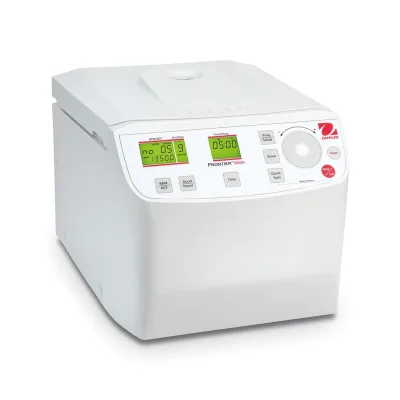
item number: 39591
List price € 1.630,00
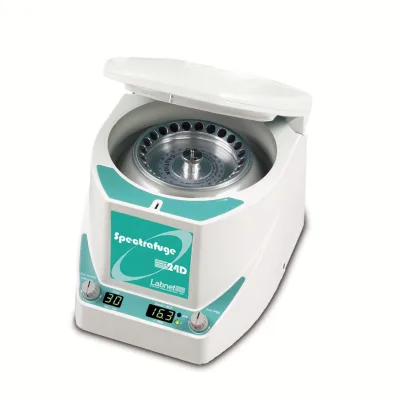
item number: 31728
Price on request
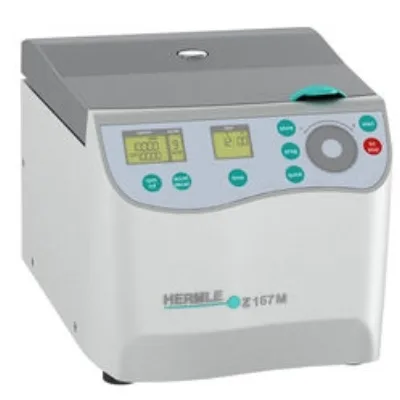
item number: 31583
Price on request
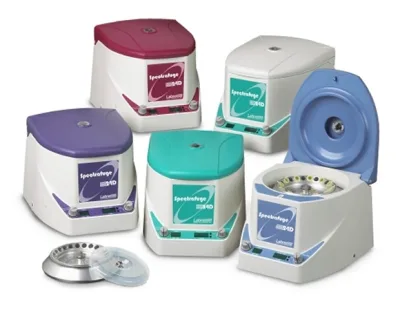
item number: 16077
Price on request
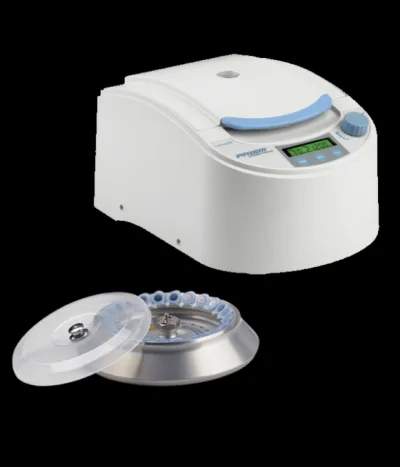
item number: 16071
Price on request
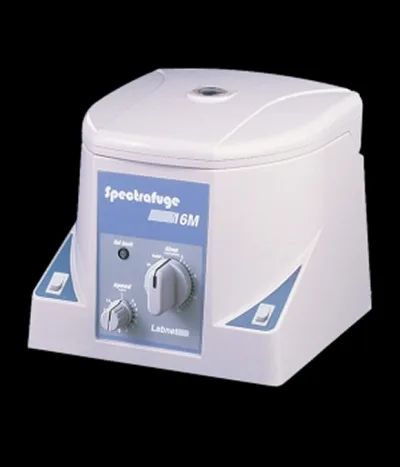
item number: 16034
Price on request
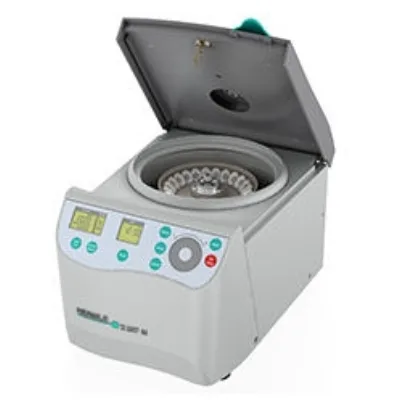
item number: 17981
Price on request
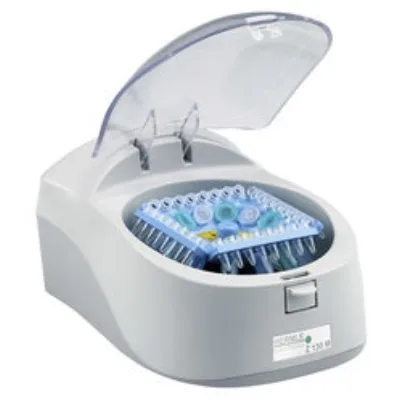
item number: 17965
Price on request
item number: 17982
Price on request
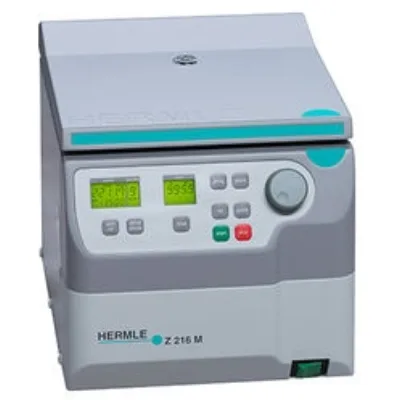
item number: 16995
Price on request
item number: 17079
Price on request
Non-refrigerated microliter centrifuges are used in laboratories where small sample quantities in the microliter range need to be centrifuged without requiring sample temperature control. They are used in areas such as molecular biological or biochemical sample preparation.
The absence of a cooling function distinguishes this device class from refrigerated centrifuges. This makes them suitable for applications where samples are not temperature-sensitive.
When selecting a non-refrigerated microliter centrifuge, laboratory users should consider the specific requirements of their samples and applications. Other centrifuge types, such as those with a cooling function, can be found in the Refrigeration Technology category.
Non-refrigerated means that the device has no active cooling function and samples are centrifuged at ambient temperature.
Microliter centrifuges are designed for processing small sample quantities in the microliter range.
They are used in laboratories where samples without special temperature requirements are centrifuged in the microliter range, such as in molecular biological or biochemical sample preparation.
A refrigerated centrifuge can be sensible when the processed samples are temperature-sensitive. Corresponding alternatives can be found in the Refrigeration Technology category.
Microliter centrifuges are specifically designed for small sample volumes in the microliter range, unlike centrifuges for larger sample quantities.
It is important to determine whether the respective application requires sample temperature control. If this is not the case, a non-refrigerated version may be sufficient.
The category provides an overview of various non-refrigerated microliter centrifuges for different laboratory requirements.