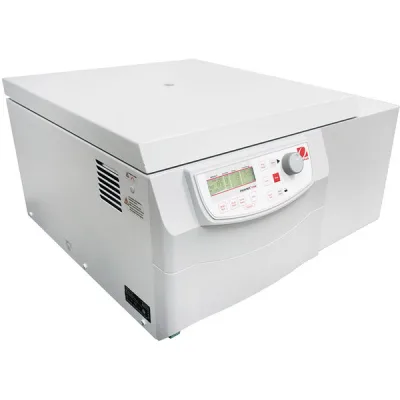
Benchtop Centrifuge Frontier™ 5000 Multi-Pro 5916R IVD, max. 4 x 750 ml, refrigerated
item number: 39609
Max. speed 16,000 RPM, max. RCF: 26,331 x g
List price € 8.995,00

Refrigerated universal centrifuges are laboratory devices used for centrifuging temperature-sensitive samples under controlled cooling conditions. They are used wherever heating of the sample during the centrifugation process needs to be avoided. In this category, you will find various models for different laboratory requirements. Depending on the model, the equipment and range of functions of the devices differ.
item number: 39609
List price € 8.995,00
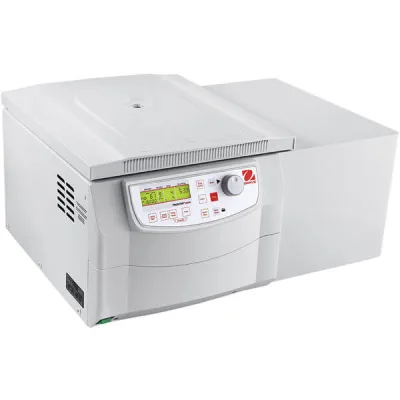
item number: 39608
List price € 6.985,00
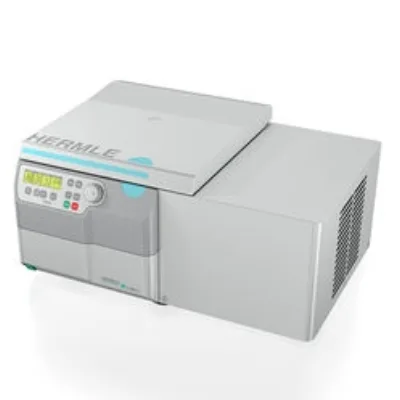
item number: 16878
Price on request
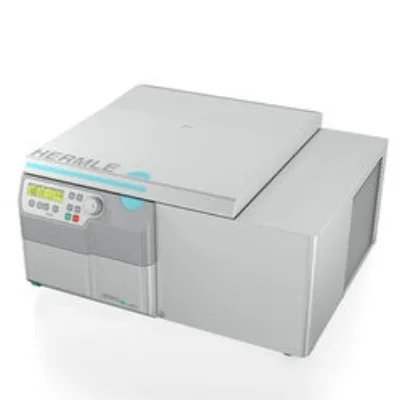
item number: 17100
Price on request
Refrigerated universal centrifuges are used in laboratories where samples require a constant, low temperature during centrifugation. These include applications in biochemistry, molecular biology, or clinical diagnostics, among others, where temperature-sensitive components need to be protected. The exact area of application depends on the respective device model and its equipment.
When selecting a refrigerated universal centrifuge, factors such as sample volume, required rotor types, and the intended cooling temperature play a role. Since the models in this category can differ in their equipment, it is advisable to compare the respective device data based on the product information. Further information on cooling components can also be found under Cooling Technology.
The integrated cooling is intended to help prevent samples from heating up uncontrollably during the centrifugation process. This is particularly relevant when materials are sensitive to temperature fluctuations. The specific cooling performance and the adjustable temperature range vary depending on the device and can be found in the respective product specifications.
A refrigerated universal centrifuge is a laboratory device used to separate substances by centrifugal force, which additionally has a cooling function to control the sample temperature during the run.
They are primarily used where samples are temperature-sensitive, such as certain biological or biochemical materials. The specific suitability depends on the respective device and rotor.
During centrifugation, heat can be generated by friction and rotation. Cooling helps keep the sample temperature stable, thereby avoiding unwanted heating.
Depending on the device model, different rotor types can be used. Which rotors are specifically compatible can be found in the respective product data of the device.
Universal centrifuges are designed for a broader range of applications, while specialty centrifuges are usually designed for specific applications or sample types. The exact distinction can vary depending on the manufacturer and model.
The adjustable temperature range determines which sample types a device is suitable for. Since this value can vary between models, it should be checked based on the respective product information.
They are used in laboratories that require temperature-controlled sample processing, such as research, diagnostic, or testing laboratories, depending on the respective device equipment.